Most bad days in a national park come from a handful of avoidable decisions made before leaving the car. This checklist covers the ones that come up again and again, and the small habit that prevents each one. If you are planning a first trip, the list of common national park visits mistakes to avoid is short, but the consequences of ignoring it can run from a ruined afternoon to a genuine safety problem.
Mistakes Made Before You Leave the Car Park
Almost every problem on this list starts at the trailhead, not on the trail. The drive in is where you decide how the day will go.
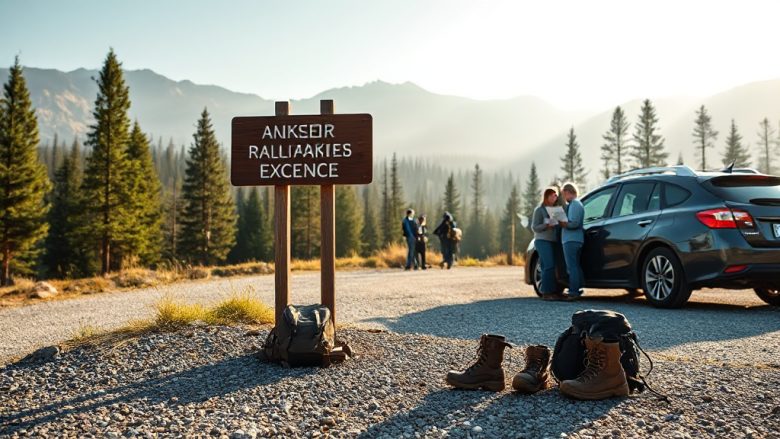
The first mistake is treating the park like a theme park with a fixed opening time. Popular parks fill their car parks early, often before eight in the morning in summer. Arriving at ten and circling for forty minutes is a classic way to start a day badly. The fix is simple: check the park’s own guidance the night before, aim to be at the gate before the rush, and have a second, less famous trail in mind as a backup. A quieter trail with fewer people often gives you a better day than the one everyone photographs.
The second mistake is trusting a phone signal. In many parks, coverage drops the moment you pass the boundary. People load a map at home, assume it will work, then discover a blank screen at a junction with no signage. Download the offline map before you set off. Screenshot the trail description. Write the car park name on a piece of paper. It sounds old-fashioned, and that is exactly why it works when the battery dies or the app refuses to load.
The third mistake is packing for the weather you can see through the windscreen. Mountain parks in particular can be sunny at the car park and cold, wet, and windy an hour up the trail. A light waterproof layer, a spare warm top, and a hat weigh almost nothing and turn a miserable day into a manageable one. Check the forecast for the elevation you are walking to, not the town you slept in.
The fourth mistake is not telling anyone where you are going. A quick message to a friend or family member with the trail name, the car park, and the time you expect to be back takes thirty seconds. If something goes wrong, that message is the difference between a search that starts at dusk and one that starts at midnight.
On the Trail: Where Good Intentions Go Wrong
Once you are walking, the mistakes get quieter. They rarely feel like mistakes at the time.
Overestimating distance is the big one. A trail described as six miles sounds easy on a flat pavement. Add elevation gain, rough ground, photo stops, and a slow companion, and that six miles can take five hours. First-timers routinely plan a route that would be a full day for an experienced hiker, then find themselves hurrying back in fading light. The fix is to cut your planned distance by a third on a first visit, see how the group feels, and add more next time. The trail will still be there.
Underestimating water is the second. People carry one small bottle for a half-day walk in warm weather and wonder why they get a headache on the drive home. Bring more than you think you need, and drink before you feel thirsty. There is rarely a shop or a tap on the trail, and stream water is not safe to drink without proper treatment.
The third trail mistake is leaving the marked path. Social trails, shortcuts, and “it looks like it goes that way” moments cause erosion, damage fragile plants, and put you on ground that may be unstable or simply not the route. Stay on the path even when it seems longer. If you genuinely lose the trail, stop, look back the way you came, and retrace your steps rather than pressing on and hoping.
The fourth is treating wildlife like a photo opportunity. Getting close to a deer, a bison, or a bear for a better shot is the mistake that ends up in the news. Keep your distance, use a zoom, and if an animal changes its behaviour because of you, you are already too close. Never feed anything, however tame it looks. Fed animals become aggressive animals, and they usually pay the price for our mistake.
The fifth is ignoring the weather turning. Clouds building over a ridge, a sudden drop in temperature, or a wind that picks up out of nowhere are signals to turn around. Summits and exposed ridges are not the place to test your luck. The mountain will still be there next year.
Leave No Trace Habits That Actually Matter
Leave no trace is not a slogan. It is a set of small habits that keep parks worth visiting for the next person.
Pack out everything you bring in, including apple cores, orange peel, and used tea bags. These do not break down as fast as people assume, and they attract animals to the trail. A small bag for rubbish in your pack solves the whole problem.
Stay on durable surfaces. Rock, gravel, and established path are fine. Meadows, moss, and the edges of lakes are not. A single set of footprints through a wildflower patch can last for years in a short growing season.
Leave what you find. Rocks, antlers, flowers, and fossils stay where they are. Photograph them, enjoy them, and put them back. Removing them is illegal in most parks and spoils the place for everyone after you.
Keep noise down. Speakers on the trail are the fastest way to ruin someone else’s quiet, and quiet is often the main reason people came. If you want music, use headphones, and keep one ear free to hear other walkers, cyclists, and wildlife.
Manage your waste properly. If there is a toilet at the trailhead, use it before you start. If there is not, know the park’s rules for the area you are in and follow them. This is the least glamorous advice in this article and the one that matters most.
Finally, respect closures. A path closed for restoration, a beach closed for nesting birds, or a route closed after a rockfall is closed for a reason. Walking past the sign does not make you adventurous. It makes you the person who delayed the reopening for everyone else.
Check the Rules Before You Go, Not After
Every park has its own rules, and they are not all the same. Some allow dogs on leads on every trail. Some allow them on none. Some require permits for certain routes or for overnight trips, and those permits often sell out months ahead. Some ban drones entirely. Some charge different entry fees depending on the season or the vehicle.
Spend ten minutes on the park’s own information before your trip. Read the current alerts, not last year’s blog post. Check whether you need to book a timed entry, whether the road you planned to use is open, and whether the trail you want is under maintenance. This is the single habit that prevents more first-timer problems than any other.
None of this is meant to make a park visit feel complicated. It is not. The people who have the best days are usually the ones who did a little reading beforehand, packed a spare layer, carried enough water, and turned around when the weather changed. The common national park visits mistakes to avoid are mostly small ones, and almost all of them come down to the same idea: plan for the park as it actually is, not as you hope it will be. Do that, and you will spend your day looking at the view instead of solving a problem you could have avoided at the car.